Anchor meals to your breaks
We encourage predictable gaps that match work or caregiving breaks rather than rigid clocks. If lunch shifts late, move the afternoon snack later too instead of skipping it abruptly.
Nutrition · Vorxyrelmykhepor
These notes describe how we talk about food in the shop: plain language, realistic portions, and respect for varied appetites. We avoid dramatic claims and focus on habits you can sustain.
Use the sections below as conversation starters—not a substitute for guidance from a registered dietitian or clinician when you need individualized advice. We are glad to print ingredient lists to support those conversations.
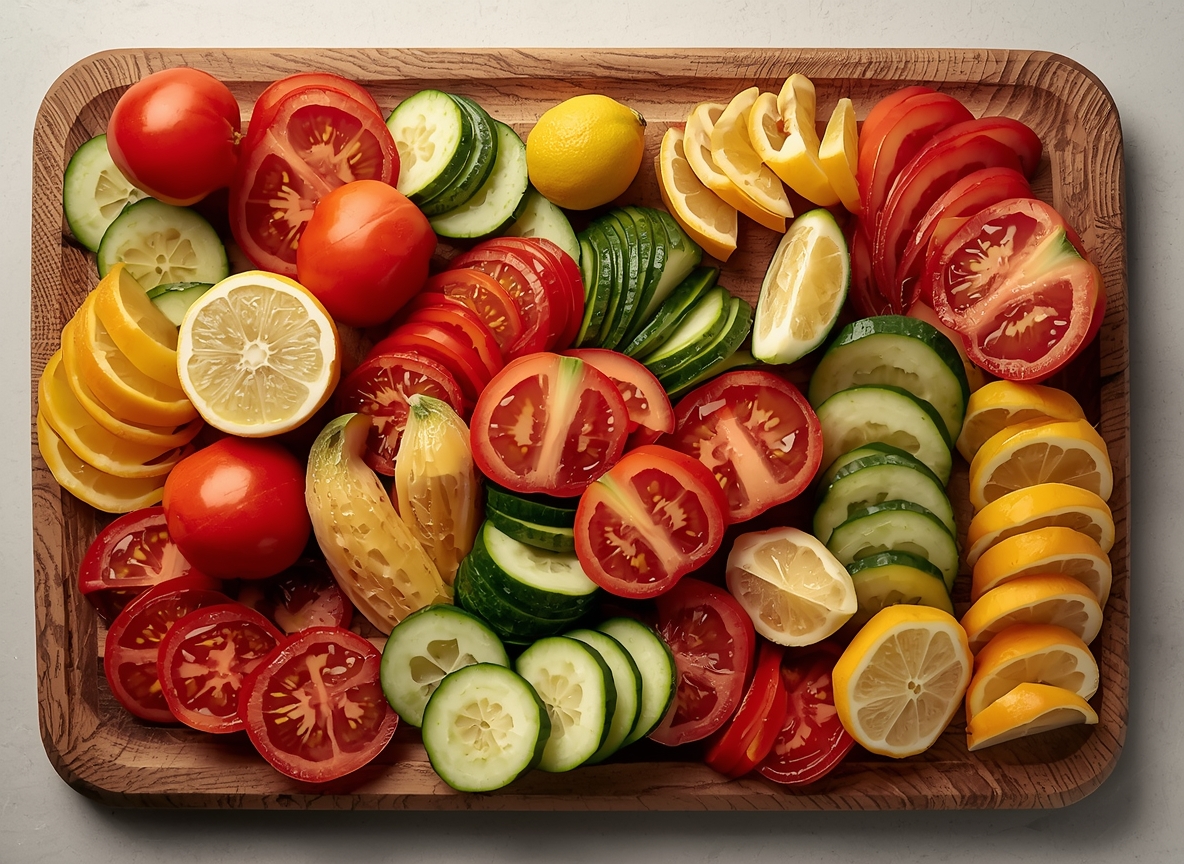
We encourage predictable gaps that match work or caregiving breaks rather than rigid clocks. If lunch shifts late, move the afternoon snack later too instead of skipping it abruptly.
Water goes well alongside fibre-rich plates. A refillable bottle on your desk or counter is a gentle cue—especially on busy days when you might forget.
Combining legumes with grains can make meals more satisfying. Our handouts suggest sample ratios, not fixed menus, so you can adapt to taste and budget.
Cook grains and roast vegetables with a second meal in mind. Label jars with dates so older batches get used first.
Use a short inventory pass to notice what you actually finished. Small adjustments beat sweeping overhauls.
Customers who keep a few jar-friendly staples—cooked grains, roasted roots, washed greens—tend to assemble meals faster on hectic nights. We share reheating tips because texture often matters as much as flavour.
Our staff share general food ideas. For individualized advice about your diet, a registered dietitian or qualified clinician is the appropriate resource. We happily provide ingredient lists to support those conversations.
We segregate allergen-prone items in line with internal procedures. If you shop with us, mention flags at the counter so staff can point to the latest shelf cards and substitution notes.